Gallbladder surgery
Assessment and surgical care for gallbladder conditions, including gallstones.
Gallbladder care with Dr Richa ↗Consultant – GI, Minimal Access & Robotic Surgery
Fortis Hospital, Bannerghatta Road · Bengaluru
Hernia, gallbladder, appendix & colorectal care.
Clearly explained, before you decide.
7 years of experience · Elective & emergency surgery
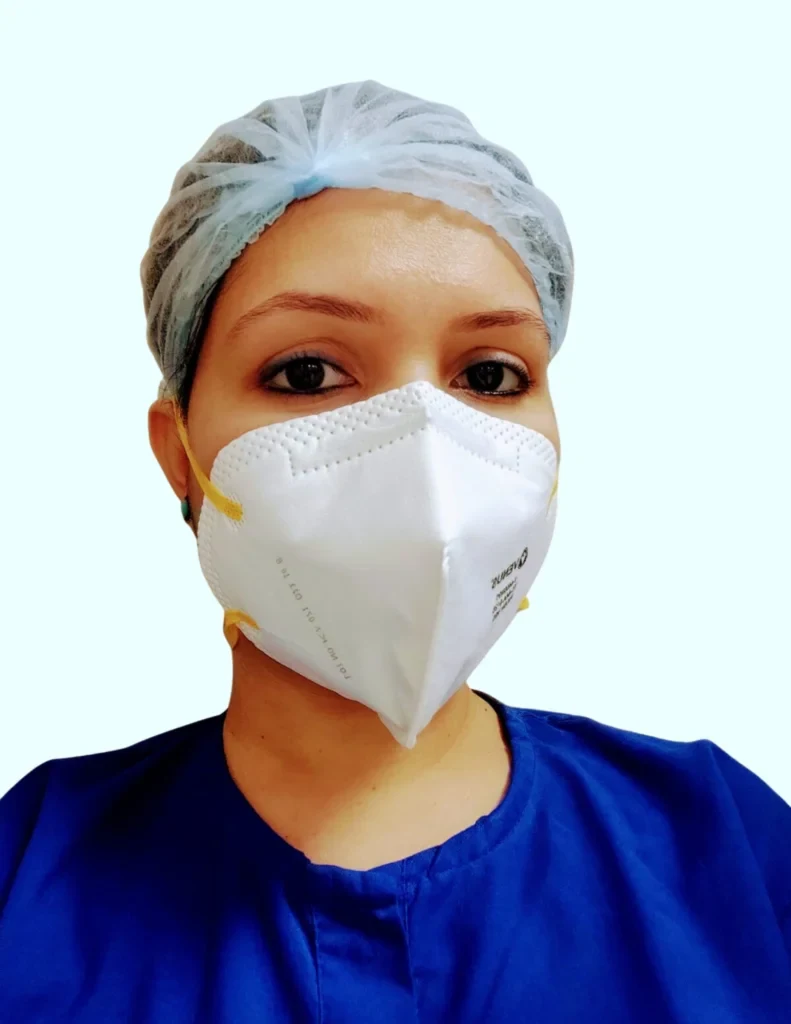
QUALIFICATIONS & FELLOWSHIPS
SURGERIES & CONDITIONS
Consult Dr Richa Mishra, a female general, laparoscopic and GI surgeon in Bengaluru, for gallstones, hernia, appendicitis, piles, anal fissure, fistula and pilonidal sinus. Your consultation establishes the diagnosis, suitable approach and individual care plan.
Assessment and surgical care for gallbladder conditions, including gallstones.
Gallbladder care with Dr Richa ↗Assessment and repair planning for abdominal wall hernias.
Hernia assessment with Dr Richa ↗Assessment and treatment planning for a hernia in the groin.
Hernia assessment with Dr Richa ↗Assessment and surgical care for femoral hernias.
Hernia assessment with Dr Richa ↗Urgent hospital assessment and treatment for an inflamed appendix.
Appendicitis assessment & surgery ↗Assessment and surgical treatment planning for pilonidal sinus.
Pilonidal sinus care with Dr Richa ↗Also caring for acute abdominal and perianal conditions, with experience in laparoscopic surgery, selected laser procedures, and elective and emergency surgery.
Explore surgical approachesFORTIS · BANNERGHATTA ROAD
Dr Richa Mishra is a Consultant in GI, Minimal Access & Robotic Surgery at Fortis Hospital, Bannerghatta Road. The department offers a comprehensive range of procedures across gastrointestinal, hernia, bariatric and colorectal surgery, outlined below.
This is the department’s service scope. Discuss with Dr Richa which procedures she performs, her role in your care, the appropriate specialist and current availability.
ABOUT DR RICHA MISHRA
Dr Richa Mishra is a Consultant in GI, Minimal Access & Robotic Surgery at Fortis Hospital, Bannerghatta Road, Bengaluru. With 7 years of experience, she cares for conditions involving the stomach, intestines and gallbladder, inguinal and ventral hernias, and perianal conditions such as piles, fissures and fistula.
Her areas of expertise include hernia, appendicitis, acute abdominal conditions, perianal conditions, laparoscopic surgery, laser procedures, and elective and emergency surgery. Treatment is planned around the individual condition and clinical findings.
Understand the problem.
Explore the options.
Decide together.
A conversation in the language you feel comfortable speaking.
ACHIEVEMENTS
Young Surgeon Achievement Award 2022–23
Rotary Bangalore South


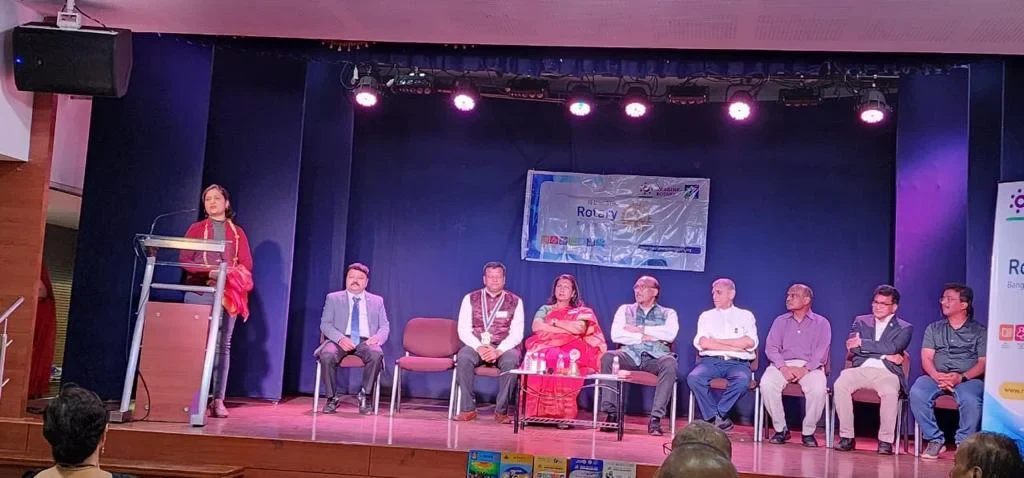
Young Surgeon Achievement Award 2022–23 · Rotary Bangalore South
Her approach to care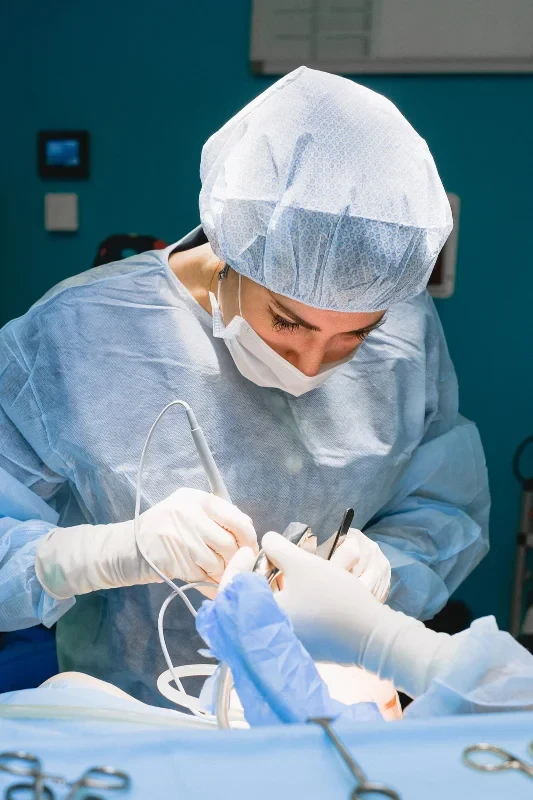
OUR COMMITMENT TO QUALITY CARE
Every patient has different concerns, priorities and health needs. A consultation is a place to discuss symptoms, understand the findings and ask questions about the next step.
A consultation helps establish the diagnosis and the right next step.
WHY VISIT A GENERAL SURGEON?
Seeing a surgeon does not automatically mean having surgery. Assessment may lead to tests, observation, treatment or referral to another specialist.
Gallbladder, appendix and hernia concerns may need a surgical assessment. Sudden severe symptoms need urgent care.
Persistent symptoms may need tests and coordination with gastroenterology or other specialists.
A new or changing lump may need examination and, where appropriate, biopsy or removal.
A lump or other breast change needs timely clinical evaluation and appropriate referral.
Bleeding, pain or discharge needs assessment. These symptoms do not all have the same cause.
A thyroid lump or change may need evaluation. Confirm the appropriate specialist for the findings.
Symptomatic or changing leg veins may need assessment and referral to a suitable surgical or vascular specialist.
SPECIALISATIONS
Learn about common surgical concerns and the approaches used to treat them. The most suitable treatment depends on your examination, investigations and preferences.
Looking for information on piles, fissure or fistula? Find separate guides below.
Browse all patient guidesAssessment and treatment of symptomatic gallstones, acute cholecystitis and biliary colic. A keyhole approach may be suitable; the operation and discharge plan depend on your findings.
ANATOMICAL OBJECTIVECalot’s triangle & cystic artery
Assessment and surgical care for appendicitis. Laparoscopy allows the surgeon to examine the abdomen and remove the appendix when indicated.
ANATOMICAL OBJECTIVECaecum & mesoappendix arcade
Laparoscopic TAPP / TEP and open mesh approaches for selected inguinal, umbilical, ventral and incisional hernias. Repair is tailored to the type of hernia and individual needs.
ANATOMICAL OBJECTIVEInguinal canal & myopectineal orifice
Selected laser procedures for haemorrhoids, anal fissure, fistula-in-ano and pilonidal sinus. Discuss suitability, sphincter preservation, alternatives and recurrence risk.
ANATOMICAL OBJECTIVEAnal sphincter complex & submucosa
Assessment of diverticular disease, intestinal strictures, polyps, bowel obstruction and persistent abdominal symptoms, with appropriate investigation, treatment or specialist referral.
ANATOMICAL OBJECTIVEMesocolic planes & marginal artery
Assessment and treatment planning for benign soft-tissue lumps, cysts, wounds and abscesses, including foot wounds in people with diabetes. Anaesthesia and discharge are individually planned.
ANATOMICAL OBJECTIVEFascial boundaries & microvasculature
THE ANATOMY, BROUGHT TO LIFE
Explore the real GI and colorectal anatomy viewer. Rotate the model, isolate a region and discover how blood moves through its vessels.
See arterial supply and venous return with moving direction markers. Open the vascular view, then tap Blood Flow inside the model.
The live model loads as this section comes into view.
Open standalone ↗ (opens a new tab)Interactive anatomy by MAKAM AI. General educational anatomy, not a reconstruction of your scans. Blood-flow animation is illustrative, not a measurement of your circulation.
Connect anatomy with a patient guideGI Health & Tips
Practical habits for bowel health, everyday movement and timely assessment. Adapt these general tips to your own health and clinical advice.
Include fibre-rich foods such as vegetables, fruit, whole grains and pulses, increasing fibre gradually. Drink enough fluid to support softer stools. Your fluid needs are individual; follow any fluid restriction prescribed by your clinician.
Softer stools can help reduce straining.
Stay regularly active and, if comfortable, try a gentle walk after meals. If you have reflux, avoid lying down immediately after eating. After surgery, follow your own activity advice.
Choose movement that suits your health and recovery.
Avoid straining and prolonged sitting on the toilet. Respond to the urge to open your bowels, and keep phones or reading materials outside the bathroom. Ask for help if constipation or discomfort persists.
Give bowel habits the same attention as diet.
Very rapid weight loss and prolonged fasting can increase the risk of gallstones. Discuss a sustainable weight-management plan with your clinician rather than following an extreme diet.
Gradual, supported change is preferable to crash dieting.
Use a comfortable, controlled lifting technique and ask for help with heavy loads. If you have a hernia or have recently had surgery, get individual advice about lifting and exercise.
Activity guidance should match your condition and recovery.
Recurring upper abdominal pain or persistent digestive symptoms deserve assessment. Your clinician may recommend ultrasound or other tests based on the history and examination. An incidental, symptom-free gallstone does not automatically need surgery.
Investigate symptoms rather than assuming their cause.
KNOW WHEN TO ACT
These symptoms have several possible causes. Prompt assessment matters; this website cannot establish the diagnosis.
Severe or persistent pain under the right ribs, sometimes spreading to the back or shoulder, needs urgent assessment, particularly with fever, vomiting or jaundice.
Seek urgent assessmentPain beginning around the navel and moving to the lower right, especially if worsening or accompanied by fever or nausea, can need urgent hospital assessment.
Seek urgent assessmentBleeding, a new painful lump or discharge needs assessment; do not assume it is piles. Heavy or continuous bleeding, large clots, faintness or collapse needs emergency care.
Arrange assessment; heavy bleeding is an emergencyA hernia lump that becomes suddenly painful, firm, tender or cannot go back in, especially with vomiting or difficulty passing stool or gas, may be obstructed or strangulated.
Go to the nearest emergency departmentGo to the nearest emergency department for sudden severe abdominal pain, heavy bleeding, faintness or a painful stuck hernia. Do not wait for a WhatsApp reply or a routine consultation.
PATIENT EDUCATION
Plain-language guides on symptoms, assessment, treatment choices and recovery. Read freely, print a guide or bring your questions to consultation.
Symptoms, treatment options and life after gallbladder removal.
Read the guide ↗02 · PATIENT GUIDEThe bulge, observation, repair and questions about mesh.
Read the guide ↗03 · PATIENT GUIDERecognising the need for urgent assessment and discussing treatment.
Read the guide ↗04 · PATIENT GUIDEWhat piles are, when simple measures help and when procedures are considered.
Read the guide ↗05 · PATIENT GUIDEA tear in the lining, symptoms and the range of treatment options.
Read the guide ↗06 · PATIENT GUIDEThe abnormal tunnel, assessment and why treatment must be individual.
Read the guide ↗Preparing for a visit or wondering what happens after an operation?
Prefer to consult a female surgeon? Discuss your symptoms, privacy preferences and treatment options with Dr Richa Mishra.
QUESTIONS BEFORE YOUR VISIT
More detailed information is available in the patient guides. Bring any other questions to your consultation.
No. The purpose is to assess the concern and discuss appropriate tests, observation, non-operative care or surgery where indicated.
English, Kannada, Hindi, Telugu and Malayalam.
Call or message the practice. The website prepares an appointment request; the practice confirms the clinic, time and fee.
Yes. Select Second opinion in the appointment request and bring your existing reports and proposed treatment plan.
You can discuss privacy preferences and request a chaperone. Confirm the arrangements with the practice when booking.
No. Do not wait for a message reply when symptoms are severe or worsening. Seek urgent in-person assessment.
Yes. Dr Richa Mishra is a female general, laparoscopic and GI surgeon with consultation locations at Evexia Diagnostics Centre, Fortis Bannerghatta Road and Apollo Clinic, JP Nagar. Call the practice to confirm her availability.
Yes. You can discuss these concerns with Dr Richa Mishra, including privacy preferences and a chaperone request. The consultation establishes the diagnosis and appropriate care; patients of all genders are welcome.
CONTACT US · LOCATION & TIMINGS
Choose the location that suits you. Please confirm the appointment time and consultation fee with the practice before travelling.
Bring your previous reports, prescriptions and current medicine list. See the checklist.
REQUEST A CONSULTATION
Select your preference, then review the message before continuing to WhatsApp. No appointment is confirmed here.
No medical details are requested or stored in this form. WhatsApp is an external service. For urgent symptoms, seek in-person emergency care.
154/9, Bannerghatta Road, opposite IIM,
Panduranga Nagar, Bengaluru 560076
BNR Complex, Brigade Millenium Road, Puttenahalli,
JP Nagar 7th Phase, Bengaluru 560078
REVIEW US
Your honest feedback helps the practice learn and helps other patients make informed choices.